U.S. job search · 12 minute practical guide
How to Answer “Will You Require Sponsorship Now or in the Future?”
Separate present work authorization from future sponsorship, then answer application and recruiter questions truthfully, briefly, and consistently.
The answer first
Answer two different questions with two different facts.
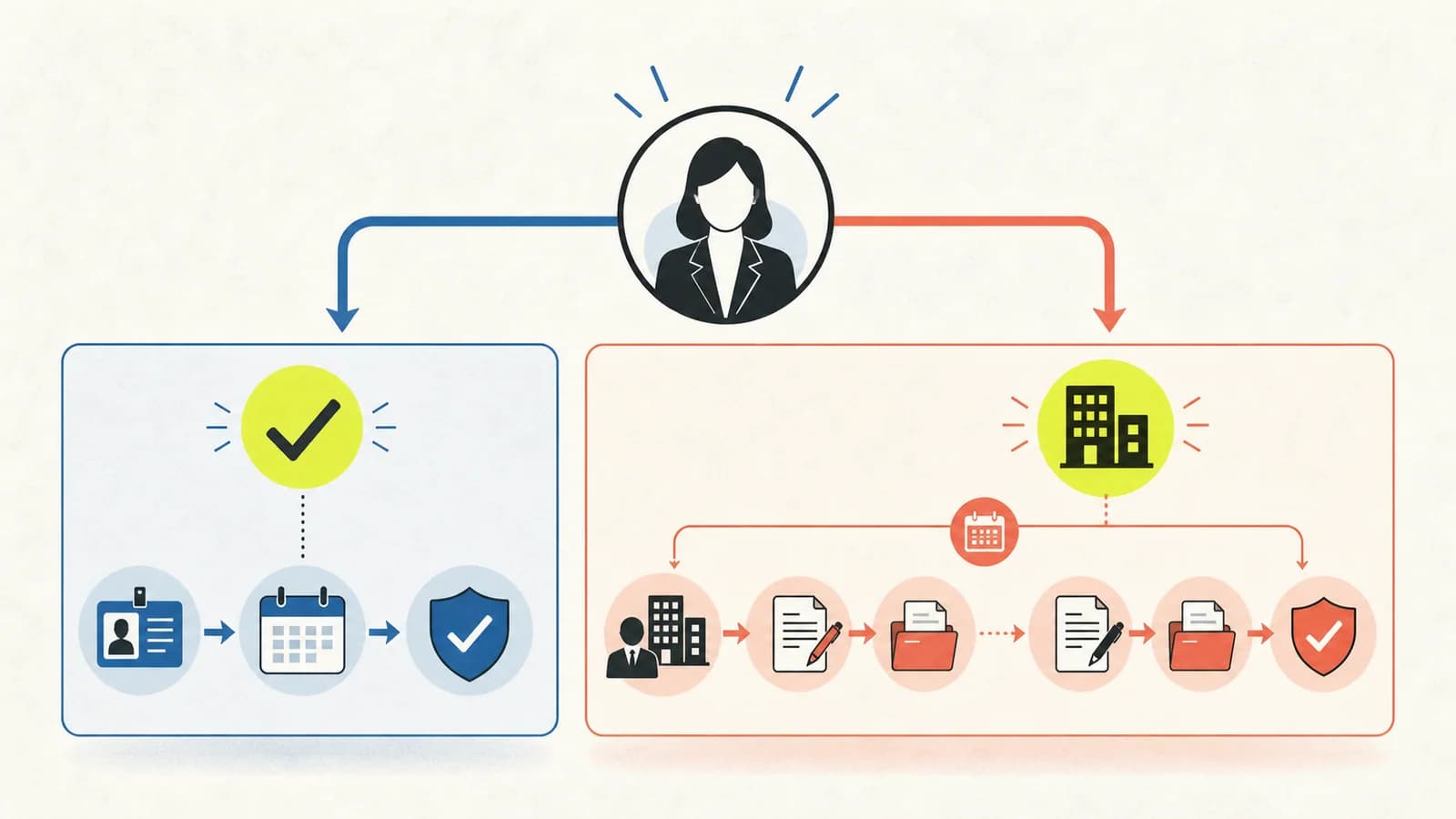
“Are you authorized to work now?” asks about your present authorization. “Will you require sponsorship now or in the future?” asks whether the employer would need to file or support an immigration process for the employment to begin or continue. A person may truthfully answer yes to current authorization and yes to future sponsorship.
- Use your actual status and dates
- Do not confuse OPT with sponsorship
- Keep the first answer brief
- Clarify ambiguous wording

The distinction
“Authorized now” does not automatically mean “no sponsorship later”
Use these checks as a research framework. Individual immigration, employment, and tax conclusions require advice for the actual person, employer, role, and country.
The exact answer is personal. Some people have employment authorization independent of an employer and may not need sponsorship. Others can start under time-limited authorization but would need an employer petition later. Someone outside the United States may need support before starting a U.S.-based job.
Swipe horizontally to compare the details.
| Question | Answer from | Common mistake |
|---|---|---|
| Are you legally authorized to work in the U.S.? | Your current, valid authorization for the proposed employment. | Answering based on whether you might need help years later. |
| Will you require sponsorship now? | Whether the employer must act for you to begin this job. | Assuming every noncitizen requires employer sponsorship. |
| Will you require sponsorship in the future? | Whether continued employment would later depend on employer action. | Answering “no” because OPT or another temporary EAD covers the start date. |
Answer scripts
State the work fact first, then the future need
- F-1 OPT or STEM OPT: “I am authorized to work through [date] under OPT/STEM OPT and do not need sponsorship to start. I would require employer sponsorship in the future to continue beyond that authorization.”
- Current H-1B worker changing employers: “I am currently in H-1B status. To join, I would require the company to file the appropriate change-of-employer petition.”
- Independent, unrestricted work authorization: “I am authorized to work in the United States and do not require employer sponsorship.” Use this only when accurate for the proposed employment.
- Outside the U.S. without U.S. work authorization: “I am not currently authorized for U.S.-based employment and would require employer immigration sponsorship.”
Online forms
Answer the form you actually see—not the question you wish it asked
Use these checks as a research framework. Individual immigration, employment, and tax conclusions require advice for the actual person, employer, role, and country.
If the form asks whether sponsorship is required “now or in the future,” answer yes when either part is yes. Do not select no merely to pass a filter; inconsistency can surface with the recruiter, offer process, I-9 process, or immigration team.
If the wording is genuinely ambiguous, use an explanation field when available or send a short note to recruiting. Save the question and your submitted answer so you can remain consistent. Do not upload immigration documents unless a legitimate process requires them.
- Never claim citizenship, permanent residence, or unrestricted authorization you do not have.
- Do not confuse E-Verify participation with a promise of visa sponsorship.
- Do not use a resume line to hide a future need; answer the employer’s authorized questions directly.
- If an application appears to request inappropriate citizenship or document information, consult official worker-rights resources.
Recruiter conversation
Make the answer easy to route internally
Use these checks as a research framework. Individual immigration, employment, and tax conclusions require advice for the actual person, employer, role, and country.
A useful follow-up is: “For planning purposes, can you confirm whether this requisition supports [the relevant employer action] and who handles immigration review?” If the recruiter does not know, ask whether they can check with HR or the immigration team.
You may also clarify timing: whether support is needed before start, at a future expiration date, or for a change of employer. Do not negotiate against yourself with guesses about cost, approval, or lottery outcomes. Those belong with the employer’s qualified team.
Follow-up questions
Handle “indefinite authorization” and category questions without improvising
Use these checks as a research framework. Individual immigration, employment, and tax conclusions require advice for the actual person, employer, role, and country.
If your authorization has an end date, do not describe it as indefinite. You can say: “My current employment authorization expires on [date]. I can begin without an employer petition, and I would need the company to evaluate future support.” If an extension may be available, describe it as a potential process rather than a guaranteed extra period.
A recruiter may ask which category you expect. If you know the employer action you need, name it briefly. If multiple paths might exist, avoid choosing a legal strategy for the employer: “I expect to need employer immigration support after [date]. I am happy to provide my documents to your immigration team so it can assess the appropriate path.”
The Form I-9 process generally occurs after hire and has its own anti-discrimination rules. The application question is not an invitation to send a passport, EAD, visa page, Social Security card, or other identity document to an unverified recruiter. Follow the employer’s legitimate, secure process at the appropriate time.
- Keep your answer consistent across the application, recruiter screen, offer paperwork, and immigration intake.
- Update recruiting if your authorization or intended start circumstances materially change.
- When a recruiter insists on an answer you believe is inaccurate, pause and obtain individual advice rather than guessing under pressure.
Worker rights
Know the difference between a lawful work question and prohibited discrimination
A rejection based on an employer’s decision not to sponsor is not automatically unlawful. The facts and applicable law matter. If you believe an employer demanded specific I-9 documents, treated you differently because of citizenship status or national origin, or used an improper hiring restriction, use DOJ or EEOC resources rather than relying on social-media conclusions.
Common questions
Short answers before you act
- How should a student on OPT answer the sponsorship question?
- When accurate, the student can say they are authorized to work through the EAD expiration and do not need an employer petition to start, but will need employer sponsorship later to continue. STEM OPT employer obligations and individual plans can change the details, so verify your own answer.
- Does “future sponsorship” include a STEM OPT extension?
- Employers do not use the word sponsorship consistently. STEM OPT is an extension application by the student with substantial employer participation, including E-Verify and Form I-983, rather than an H-1B petition. If the form is ambiguous, answer the combined question truthfully and clarify the exact employer action.
- Can an employer ask about citizenship?
- Employers generally may ask about present work authorization and future sponsorship. Citizenship-specific questions and restrictions involve additional anti-discrimination rules and sometimes legitimate legal requirements. Use DOJ and EEOC guidance or qualified advice when the question goes beyond what is needed to evaluate authorization.
- What if my authorization changes after I apply?
- Update recruiting when the change materially affects your ability to start, continue, or the employer action required. Correcting the record is better than preserving an answer that is no longer true. For the legal effect of a change, consult your DSO or qualified immigration counsel.
Continue the research
Related U.S. job-search guides
- Evaluate OPT-friendly jobs
Check the role and employer before answering.
- Verify whether the role sponsors
Use current evidence rather than company reputation.
- Understand pre-screen decisions
See how application rules may use your response.
Editorial method
Reviewed July 28, 2026. We prioritized current U.S. government and university career-center material, separated historical data from present employer policy, and avoided predicting individual immigration outcomes. This educational guide is not legal, tax, or employment advice.
Sources reviewed
- DOJ IER frequently asked questions
Official answers on work-authorization and sponsorship questions.
- DOJ hiring best practices
Employer practices for avoiding citizenship-status discrimination.
- EEOC pre-employment citizenship guidance
Federal guidance on citizenship inquiries and discrimination.
- DOJ IER worker hotline
Official contact information for worker questions.
Keep the application answer and resume equally truthful.
Once the role’s sponsorship policy fits your situation, tailor the resume around verified evidence for the work—not around immigration assumptions.